To implement #collaborativerobotics effectively in #advancedmanufacturing, we must address the both the technological advancements required and the human and design factors that are associated with technological change. These areas form the focus of our research programs, each comprising several PhD projects that explore specific research questions.
Our Human Robot Workforce program is the first of our research programs where all of its PhD researchers have begun their projects. Today, we are delving a little deeper into the program and share the objectives of each project within it.
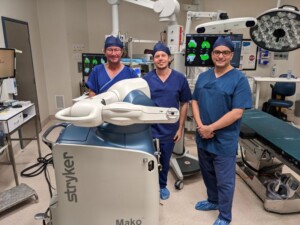
Earlier this week PhD Researcher, James Dwyer and Postdoctoral Research Fellow, Alan Burden got to observe a robotic knee surgery performed by Professor Ross Crawford.
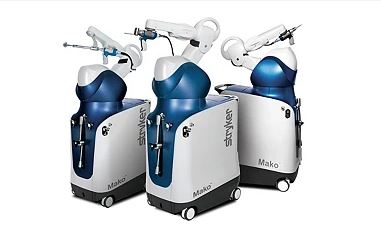
It was a great opportunity for the pair to see Ross in action with Stryker‘s Mako robot. The robot assists in accurate preparation of the bone following balancing of the knee in an attempt to put the implants in the most suitable alignment.
Although this is not a manufacturing environment, there are many elements we can carry over, including:
– how the surgeon uses and adapts their movement to the robot;
– where it is positioned in the room in relation to the patient and surgeon;
– how the surgeon gets ‘feedback’ from the robot;
and so much more.
Thanks very much for allowing us into the operating theatre Ross!
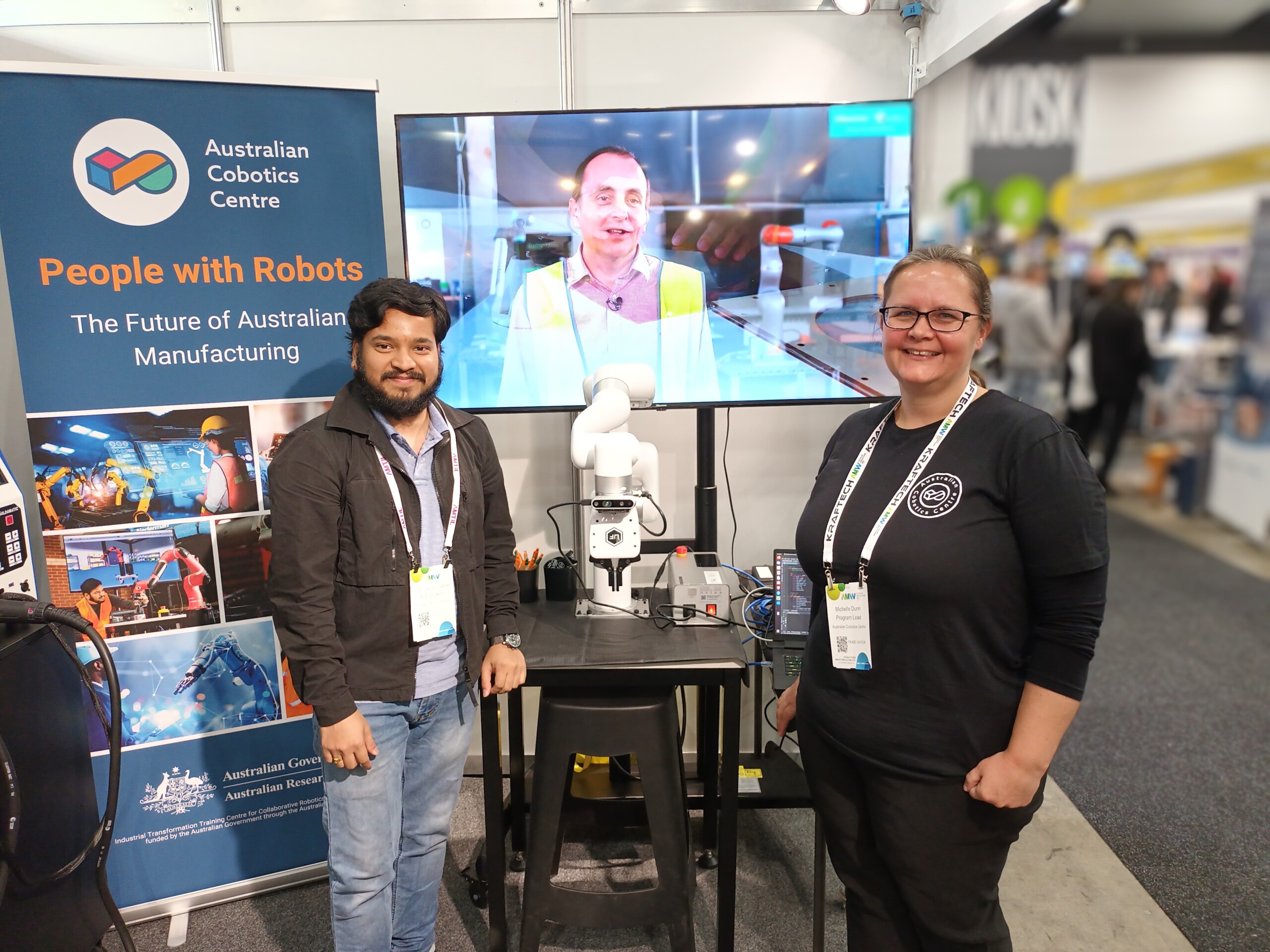
PhD researcher Jagannatha Pyaraka and research program co-lead, Dr Michelle Dunn
Australian Manufacturing Week was held in Melbourne from 9-12 May 2023.
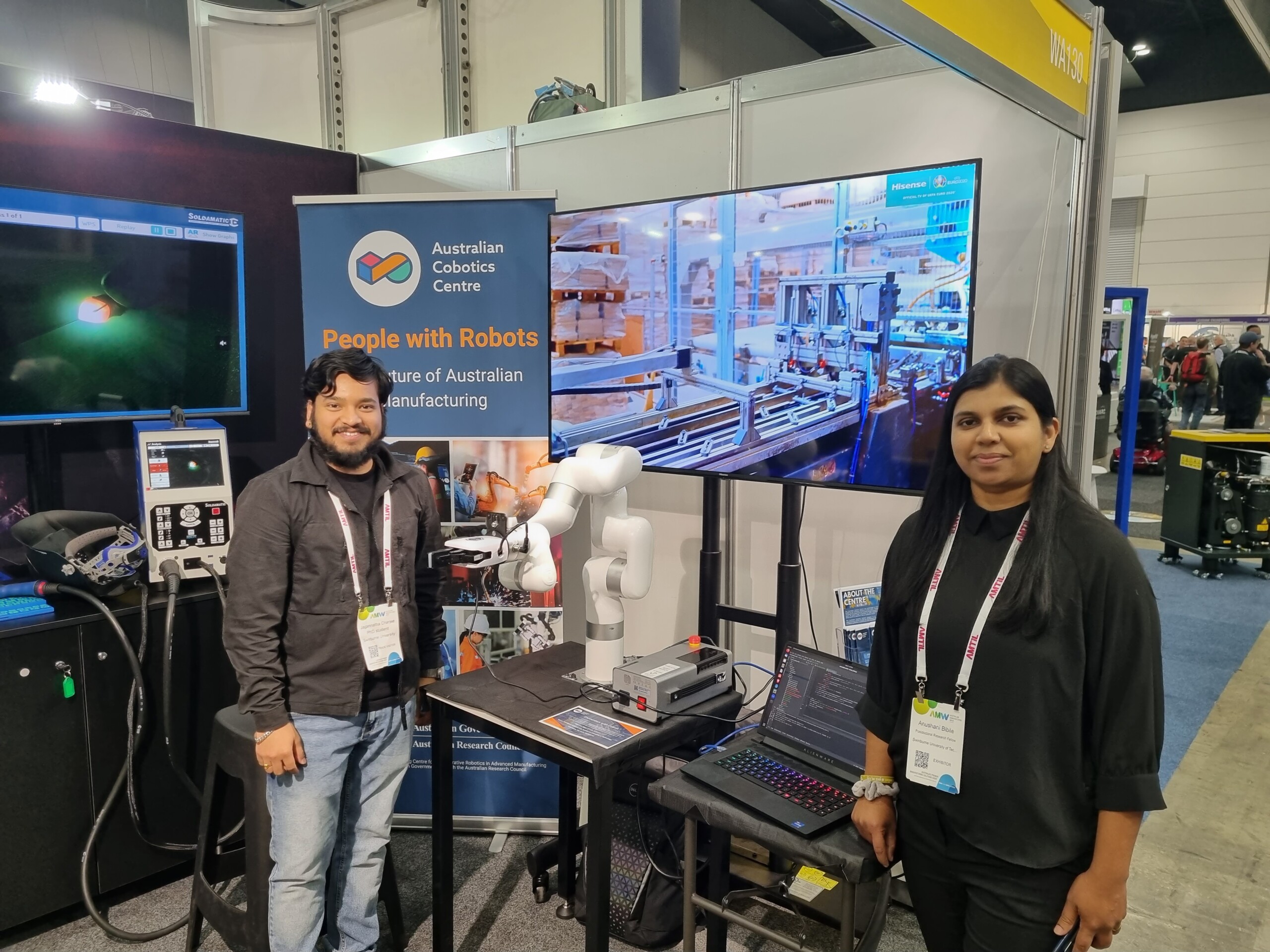
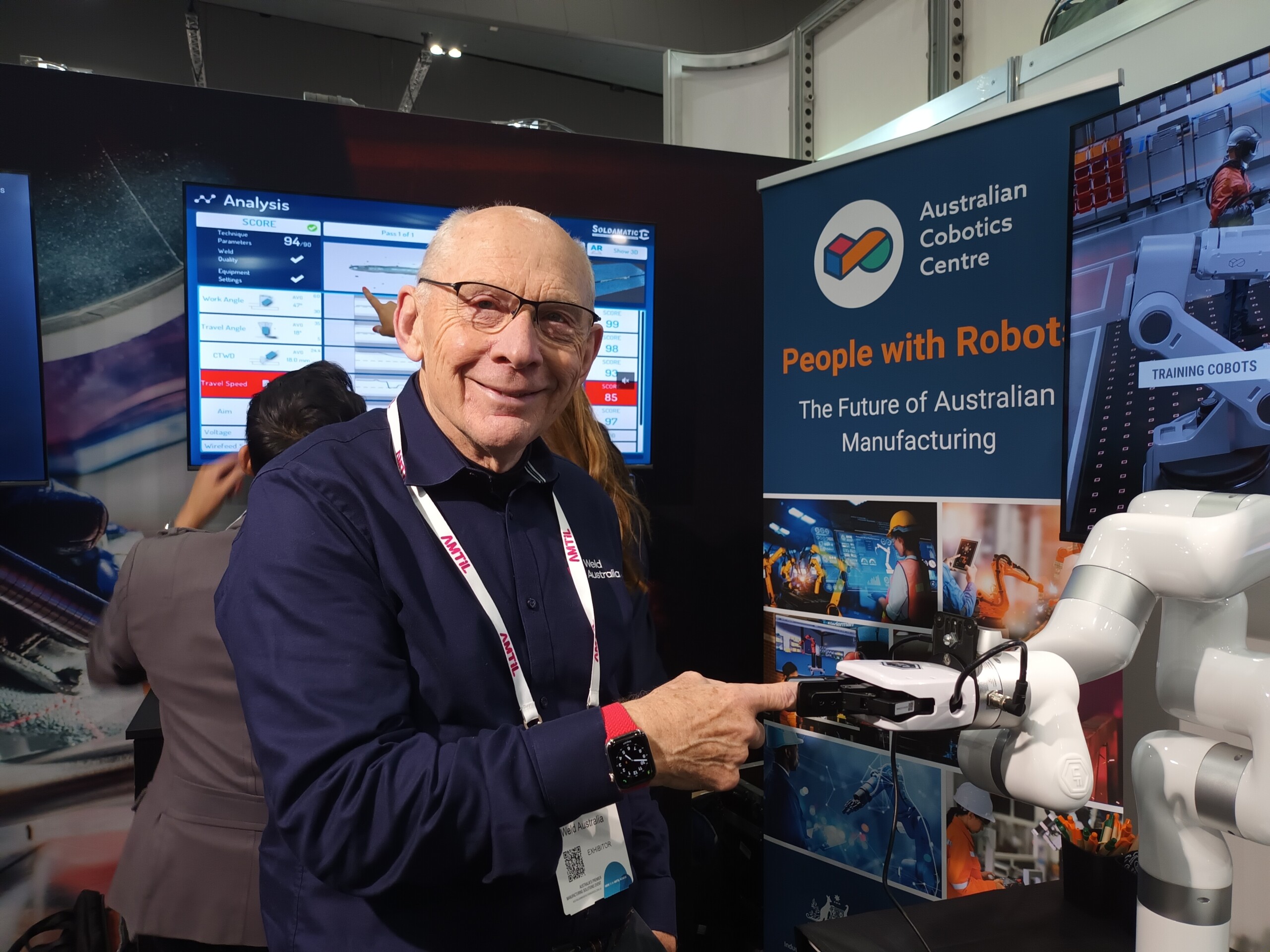
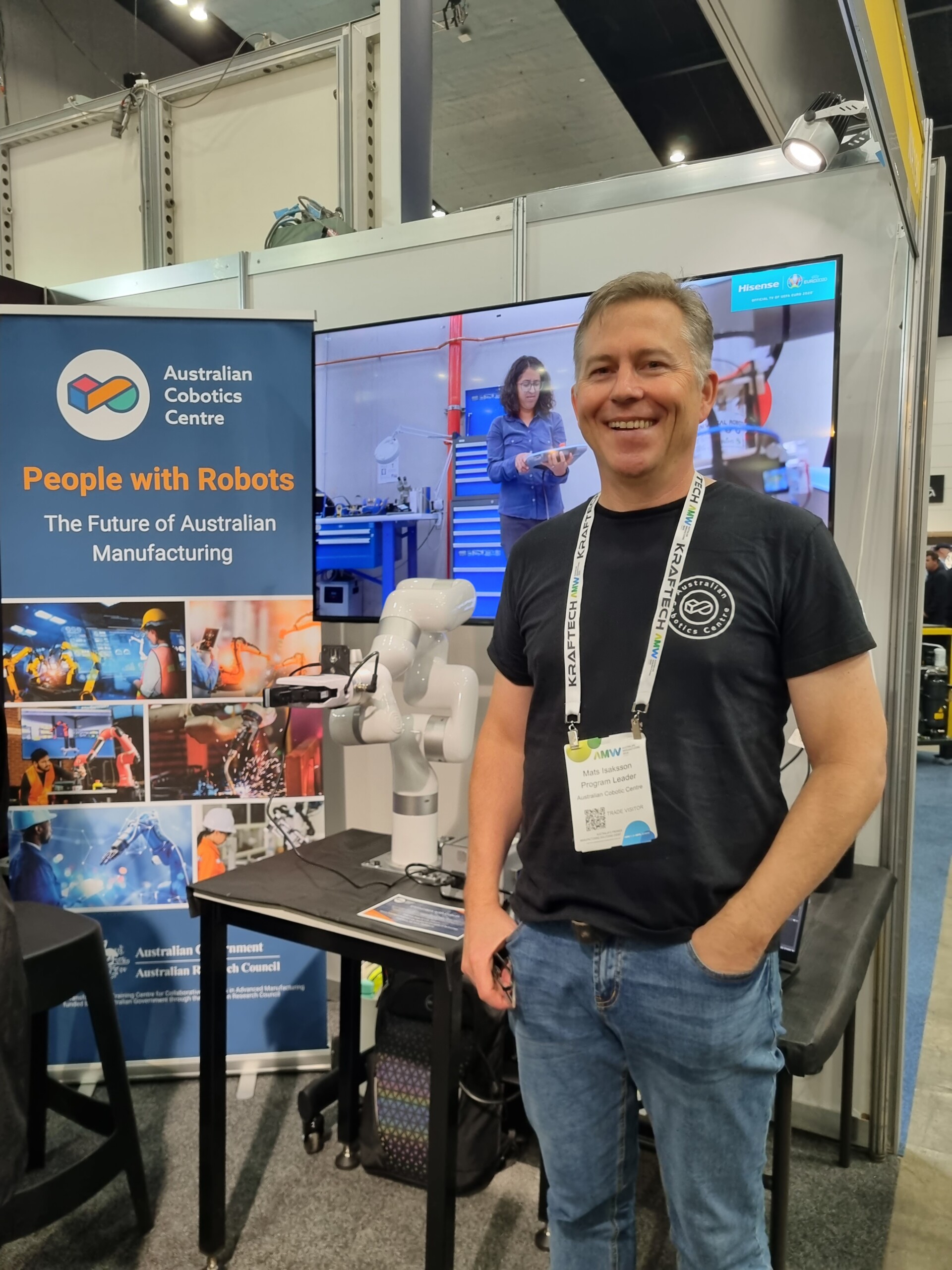
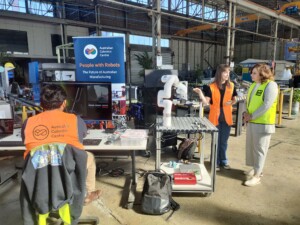
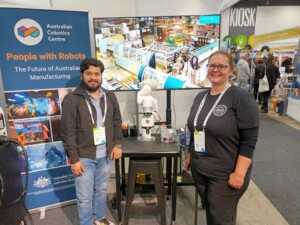
It provided an incredible opportunity for me (PhD student, Jagannatha Pyaraka) to gain firsthand experience and insights into the world of cobotics in the manufacturing industry. Special thanks to Cornelius van Niekerk, Business Development Manager from Weld Australia for giving us the opportunity to share the stand. Representing the Australian Cobotics Centre (ACC) Jagannatha Pyaraka, Mats Isaksson, Michelle Dunn, Christopher McCarthy, and Anushani Bibile, showcased a demonstration featuring our new UFactory Xarm6 cobot.
Our demo aimed to demonstrate the potential of collaborative robots (cobots) in enhancing manufacturing processes. We highlighted how cobots, designed to work alongside humans, can improve productivity while ensuring safety. By employing the Media-pipe technology in conjunction with D435 RealSense camera, the cobots capability to accurately capture and follow the tip of presenter’s palm was
demonstrated.
Throughout the event, we had the opportunity to interact with a diverse audience. People were intrigued by the capabilities of cobots and had a keen interest in the ACC’s work. We engaged in discussions on various aspects, including safety, efficiency, integration, and the return on investments associated with implementing cobots in manufacturing processes. These conversations provided valuable insights into the practical challenges and applications of this emerging technology.
One particular highlight was the interaction with other exhibitors, who showcased their own advancements and trends in the industry. The most widely shown cobot application was welding. This exchange of ideas allowed us to broaden our perspectives and gain a better understanding of the future developments in cobotics.
The experience at Australian Manufacturing Week 2023 has not only provided exposure to practical applications but has also deepened my understanding of the challenges and opportunities that arise when implementing cobots. Witnessing the enthusiasm and interest of the audience reaffirmed the importance of the work carried out by the ACC and boosted my passion for further research in this field.
Looking ahead, it is evident that cobotics will continue to revolutionize the manufacturing industry. As we strive to improve safety, efficiency, and productivity, the ACC will play a vital role in driving innovation and shaping the future of cobotics. I am excited to be able pursue my research in this field and look forward to witnessing the continued growth and impact of collaborative robots in manufacturing
processes.
Overall, Australian Manufacturing Week 2023 was a remarkable experience that not only allowed us to showcase our demo but also provided valuable insights, connections, and inspiration for the future of cobotics and the ACC.
Weld Australia CEO Geoff CrittendenPhD Researcher, Jagannatha Pyaraka & Postdoc, Dr Anushani BibileSwinburne University Lead, A/Prof Mats Isaksson
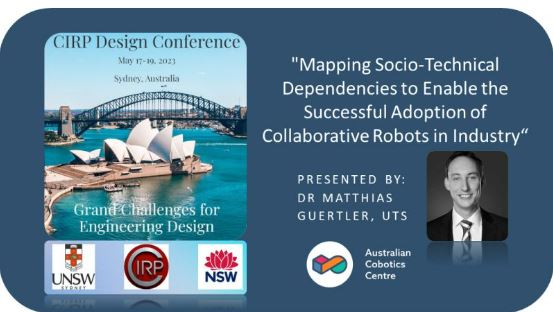
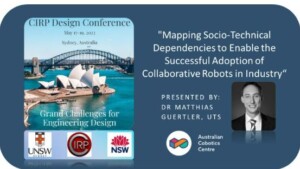
On Friday, 19 May, our ‘Designing Socio-Technical Robotic Systems’ research program Co-lead, Dr Matthias Guertler (from UTS Tech Lab) chaired a session and also presented a paper at CIRP Design 2023, hosted by UNSW.
The paper, authored by Matthias Guertler, Theodora Brackemann, Alan Burden and Glenda Caldwell, is entitled, “Mapping Socio-Technical Dependencies to Enable the Successful Adoption of Collaborative Robots in Industry”.
This work will contribute to helping companies in successfully choosing and embedding #cobots into their workplaces by better understanding how cobots and workplace interdepend.
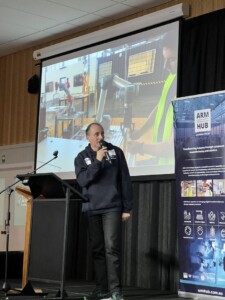
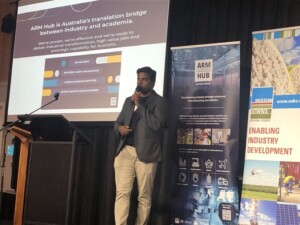
The event, organised by the Western Downs Regional Council, provided attendees with the chance to discuss future and current opportunities facing the sector. Jon and Sam talked to the group of industry and government attendees about the opportunity to use advanced manufacturing and robotics to reduce industry waste ♻️. Cobotics offer manufacturers the potential to assist with labour shortages and have the added benefit of reducing waste!
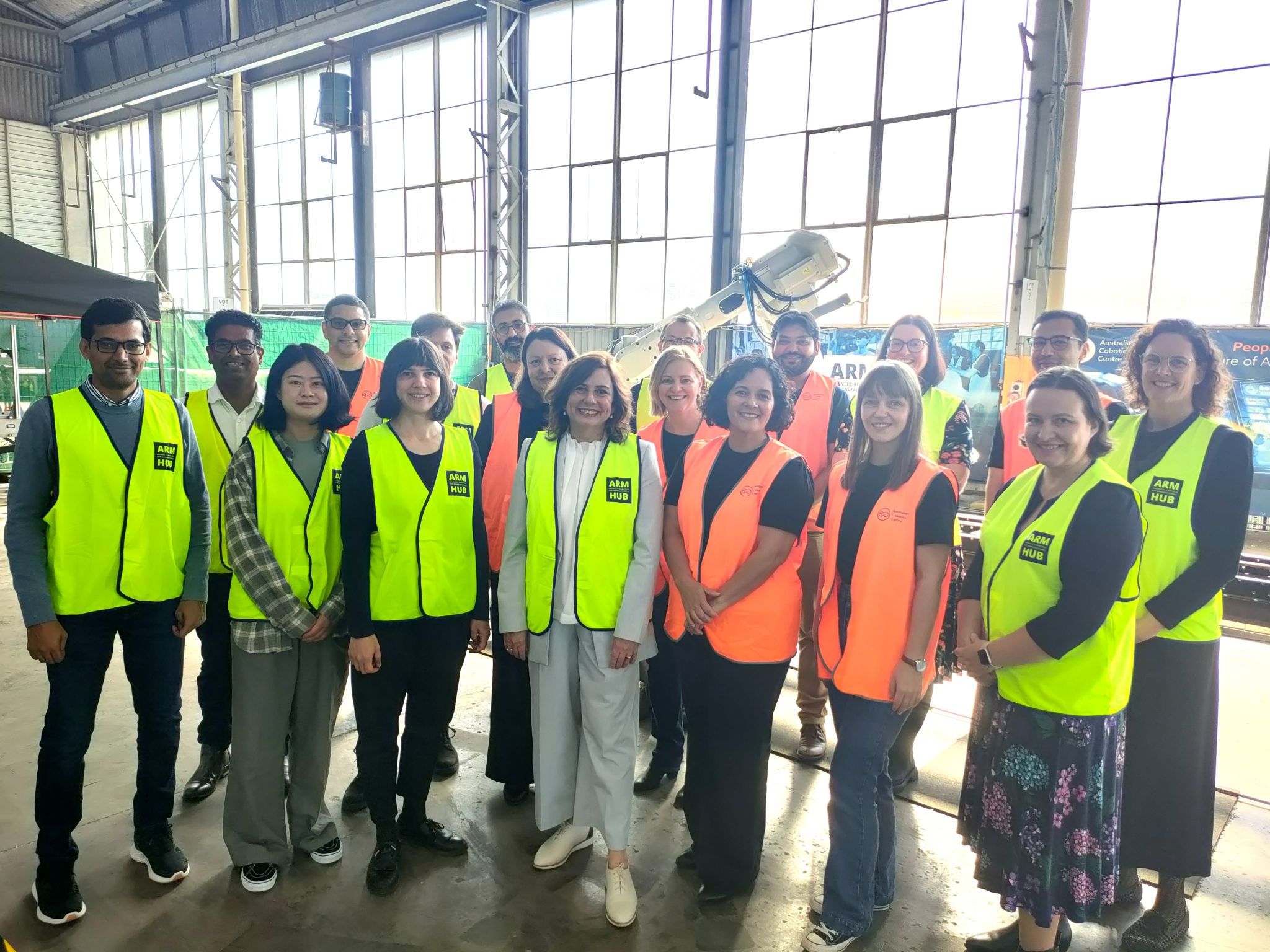
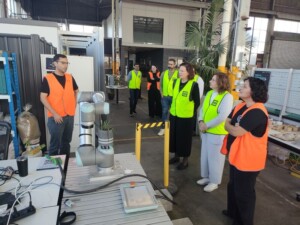
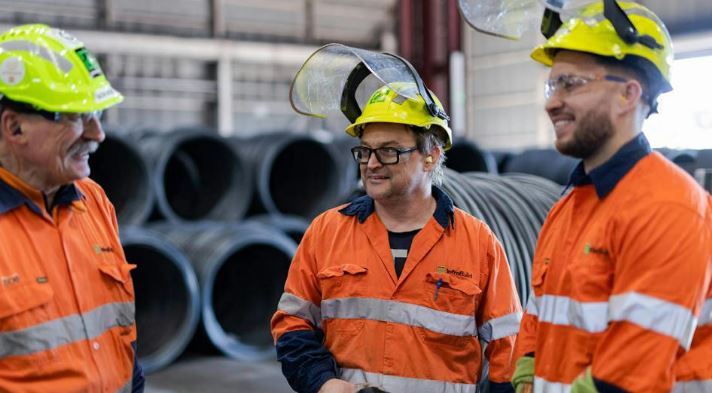
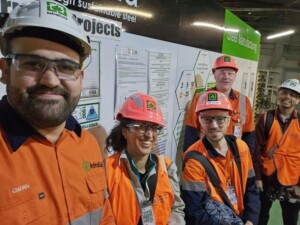
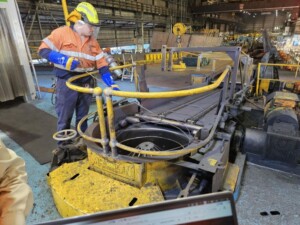
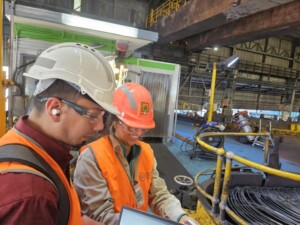
During yesterday’s site visit, they got to see the Contistretch in action and collected some footage of the operators raking coils. The Contistretch plant improves Dbar from rod mill coils into compact spools used by InfraBuild’s customers.
Thanks for having on-site, InfraBuild. We are looking forward to sharing more as work progresses.
Michelle Dunn and Jagannatha Charjee Pyaraka represented the Australian Cobotics Centre alongside Weld Australia at the ‘Australian Manufacturing Week’ earlier this month, showcasing their new cobot.
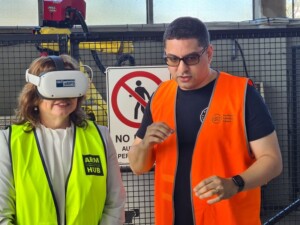
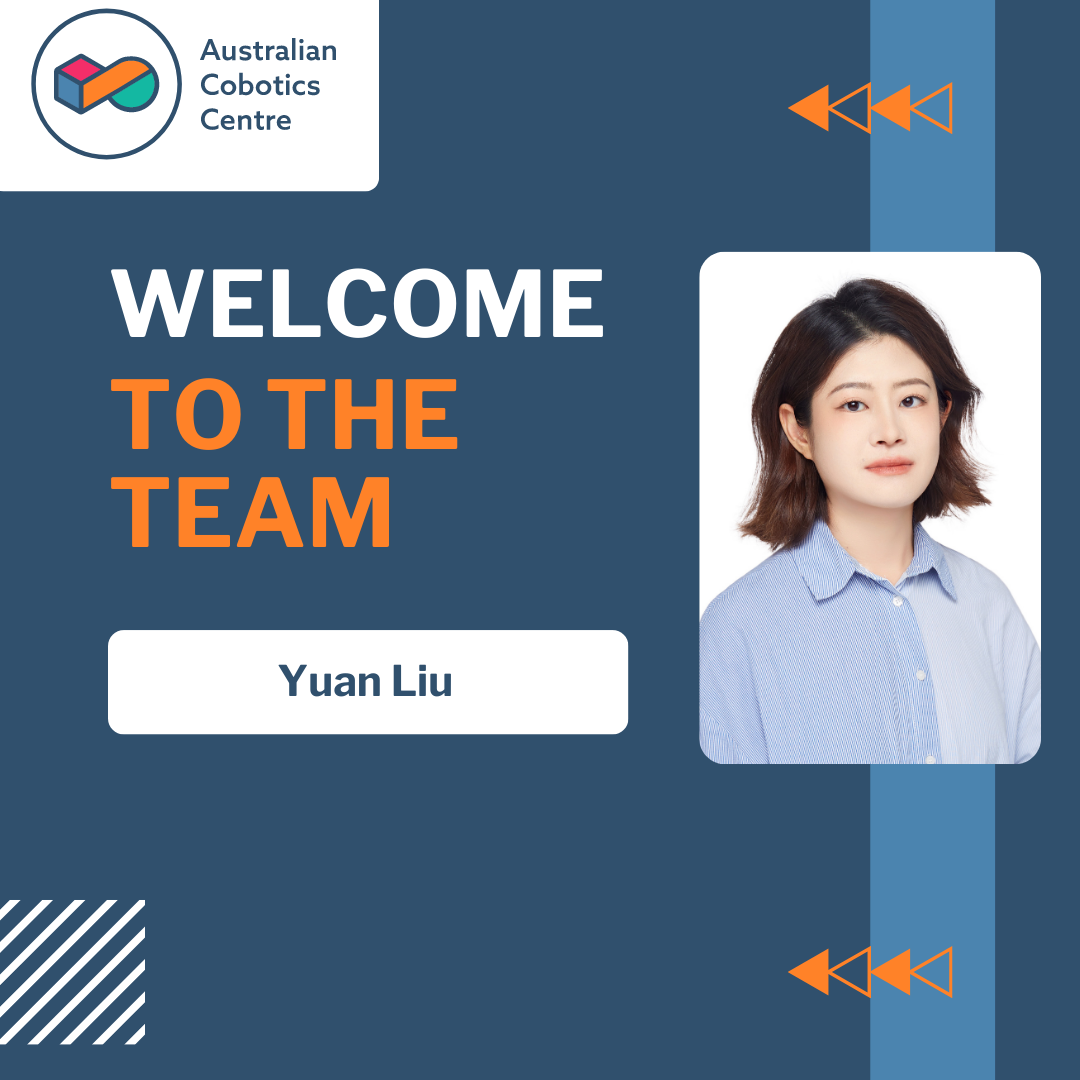
Yuan’s research will investigate co-design and development of immersive visualisation (i.e. augmented reality, virtual reality) approaches to simulate, prototype, and evaluate products and spaces for human-robot collaboration within real-world manufacturing processes and contexts. The benefits of using immersive visualisation approaches will include the ability to evaluate before, during, and after different collaborative robotic settings and necessary manufacturing process and spatial adaptations have been made.
Yuan’s current research interests will focus on multimedia technologies (Virtual Reality and Augmented Reality) and human computer interaction.
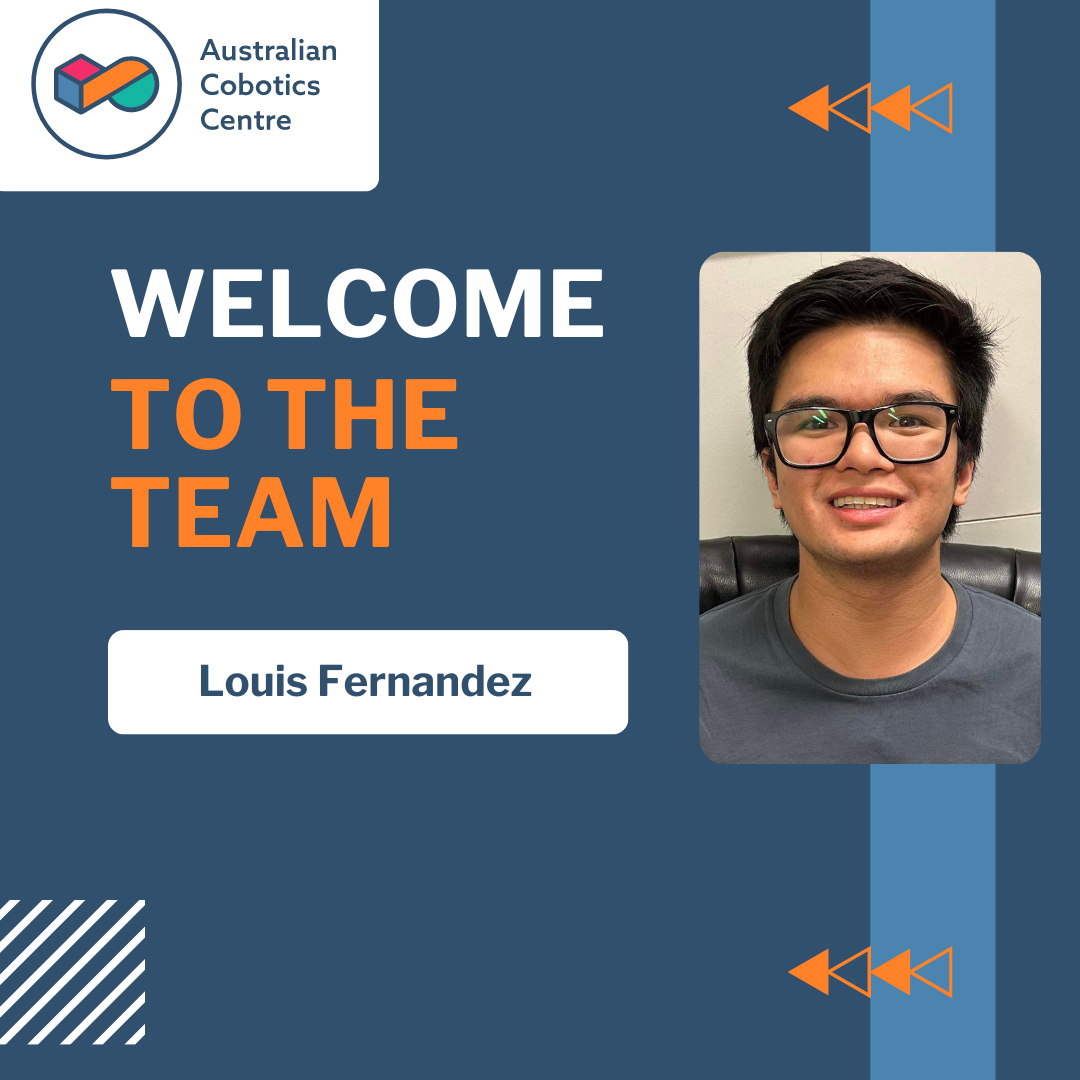
Welcome to Louis Fernandez! Louis is a PhD Researcher working on our Multi-modal Human Robot Collaboration project, which is part of the Human Robot Interaction program. He is based at UTS and supervised by Marc Carmichael.
Louis’s research will develop a vocabulary of multimodal HRC interaction techniques to accomplish tasks such as specifying the intended path for the robotic tool to follow by manually drawing onto the work surface, instructing the robot through naturalistic speech and gesture, and directly sensing feedback on the state of a robotic task through visual, auditory, and haptic feedback.
The project will also study the needs for human robot interaction in an authentic work context to make sure that the interaction techniques are appropriate for use in that setting.